Most owners decide to hire when they feel busy. That is the wrong trigger. Feeling stretched tells you the work is piling up. It tells you nothing about whether the next person will earn money or just spend it.
The decision that costs more than it looks
A new hire is the largest recurring bet a small business makes. A £35,000 salary is not a £35,000 decision. Since April 2025, employers pay National Insurance at 15% on earnings above £5,000 a year, up from 13.8% above £9,100. Add a pension and the kit to do the job, and a £35,000 role costs closer to £42,000 every year, before the person earns you a penny.
The trade-off is sharp. Hire too early and you burn cash you cannot recover. Hire too late and you cap your growth and grind down the people you already have. Most owners get the timing wrong because they never put a number on the decision.
What paying for itself actually means
A hire pays for itself when the extra contribution it generates beats its fully loaded cost. Contribution is revenue minus the direct cost of delivering it, not revenue on its own. A pound of new sales at a 55% gross margin, the share of each sale you keep after delivery costs, puts 55p toward the wage bill, not a full pound.
So you need two numbers. The fully loaded cost: salary, employer National Insurance, pension and tools. And your gross margin. Then one line of arithmetic:
Required new revenue = fully loaded cost ÷ gross margin.
A worked example you can copy
Take a 9-person Leeds marketing agency turning over £720,000, run by two founders who are turning away work. They want to hire an account manager at £35,000.
Fully loaded annual cost:
- Salary: £35,000
- Employer National Insurance, 15% above £5,000: £4,500
- Pension: £900
- Laptop, software, desk: £1,800
- Total: £42,200
Their gross margin is 55%. So the role must generate £42,200 ÷ 0.55 = £76,700 of new annual revenue just to break even. Add a one-off £5,000 for recruitment and onboarding, and year one needs about £85,800.
Now the decision is honest. Can this account manager free the founders to win and deliver £77,000 of work they are currently turning down? If yes, hire now. If the £77,000 is hopeful rather than visible, wait, or hire part-time first.
The one thing to do this week
Write the payback number for your next hire on a single line: fully loaded cost divided by your gross margin. Then ask one question. Is that much extra revenue already in front of you, or are you hoping it will appear? Hiring against work you can see is an investment. Hiring against work you hope for is a gamble with a fixed monthly cost. If you cannot name the number, you are not ready to make the offer.
This matters more in 2026 than it did two years ago. The April 2025 jump in employer National Insurance raised the floor on every salary, and most UK SMEs still produce below the £53,000-per-worker average. A hire that does not clear its payback number does not just fail to help. It quietly drains the cash that keeps you trading.
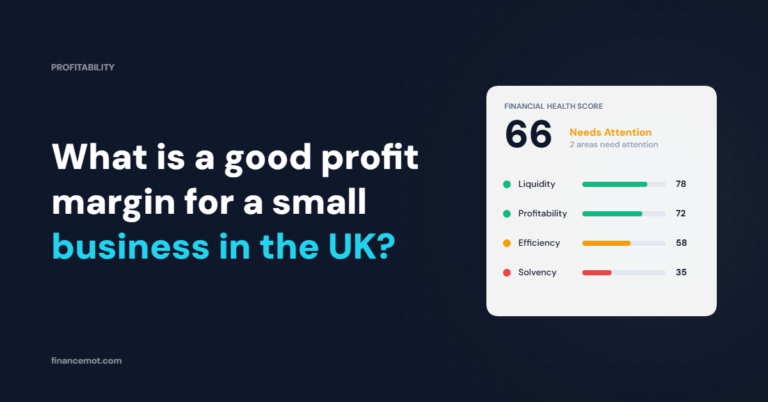
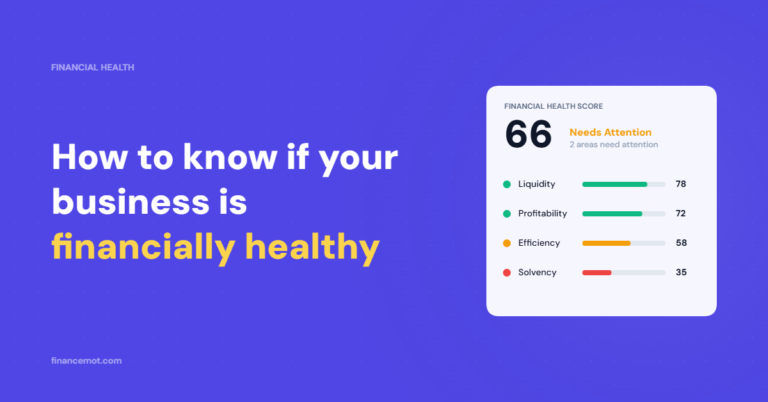
A hiring decision lives or dies on numbers you already hold: gross margin, cash runway and how your profitability is trending across the year. FinanceMOT scores your financial health from 0 to 100 across Liquidity, Profitability, Efficiency and Solvency, so you can see whether your margins and cash actually support another salary before you commit. Its multi-period tracking shows whether your last three hires moved those numbers up or down. Your accountant shows you the numbers. FinanceMOT tells you what to do about them.