Debt recovery is one of the biggest challenges for small and medium businesses. You raised the invoice weeks ago. The work was good. The client was happy. And yet the money still is not in your account, and now you have to send that awkward email again.
The job to be done
Late payment is not a fringe problem. UK small businesses with unpaid invoices are owed more than £21,000 each on average. Chasing that money is a job nobody enjoys, so it slips. You forget. You feel rude. You wait another week. Meanwhile your own suppliers still expect paying. Automated chasing takes the emotion and the forgetting out of it. The reminder goes out on schedule, in your words, whether or not you feel like sending it.
Options worth knowing about
Start with what you already pay for. Xero and QuickBooks both include automatic reminders in every plan. Xero lets you set up to five reminders before or after the due date, each with its own wording. QuickBooks works the same way and can send reminders up to 90 days either side of the due date. Neither costs extra. The catch is that they only chase invoices raised in that software, and they do little beyond sending an email. No credit checks, no phone follow-up, no escalation.
If chasing is eating real hours, a dedicated tool earns its keep. Chaser is the best known in the UK. It sends reminder sequences from your own email address, so messages look personal, rates how reliably each customer pays, and can escalate to debt collection when needed. It is not cheap. Pricing starts at £199 a month for businesses under £4 million turnover, with a 10-day free trial, and jumps sharply once you cross that threshold. Verify the current price before you commit, because it changed in 2026.
Satago is the other name worth a look. It automates reminders and statements and adds Experian credit data, so you can see a customer’s credit score before you extend terms. It offers a free credit control tier, which suits a business testing the water. The trade-off is that Satago leans towards lending and finance, so parts of it will feel like more than you need.
A recommendation framework
- If you already use Xero or QuickBooks and simply keep forgetting, turn the built-in reminders on today. Free, and enough for most.
- If you are a service business under £500,000 turnover with a few slow payers, the built-in tools plus one personal follow-up will cover you.
- If chasing swallows hours every week and you carry a long list of debtors, a dedicated tool like Chaser pays for itself in time recovered.
- If you want to check a customer before offering credit terms, Satago’s credit data is the reason to pick it.
What the tool will not do for you
Automation chases. It does not collect. A client who cannot pay will not pay because a third email arrived. The awkward phone call still falls to you for the serious cases. Automation can also backfire. Chase an invoice that was already paid, because your bank feed was a day behind, and you look careless. Keep your reconciliation current, keep the early reminders friendly, and do not set the sequence so aggressive that a good customer feels harassed. The tool removes the admin, not the judgement.
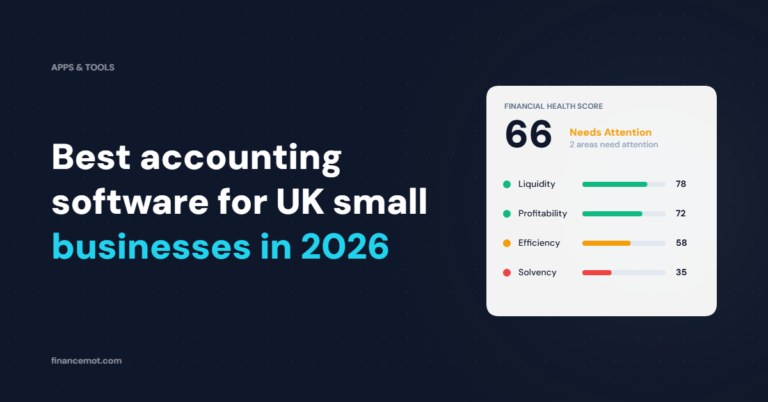
Chasing tools tell you an invoice is late. They do not tell you whether late payment is quietly damaging your business. FinanceMOT looks at your debtor days alongside your wider position and turns it into a financial health score from 0 to 100, with KPI signals across Liquidity, Profitability, Efficiency and Solvency. Your accountant shows you the numbers. FinanceMOT tells you what to do about them, so you know whether tighter credit control is the priority this quarter or a distraction from a bigger issue.